Affiliate Disclosure: Vibration Plate Zone is a proud participant in the Amazon Services LLC Associates Program.

About the author: Hello! I’m Vladimir Stanar, professor of physical education, kinesiotherapist, marathon runner, cyclist, and cycling coach, and long-time advocate of health, fitness, and active living.
My journey with vibration plates runs parallel to my professional career in education, sports medicine, and athletic development. Over time, I’ve come to see vibration plates as one of the most versatile tools for enhancing health, recovery, and performance.
✅ Expert-Reviewed by: Vanja Vukas, MPhEd
📚 Expert Contributor: Milutin Tucakov, MPhEd
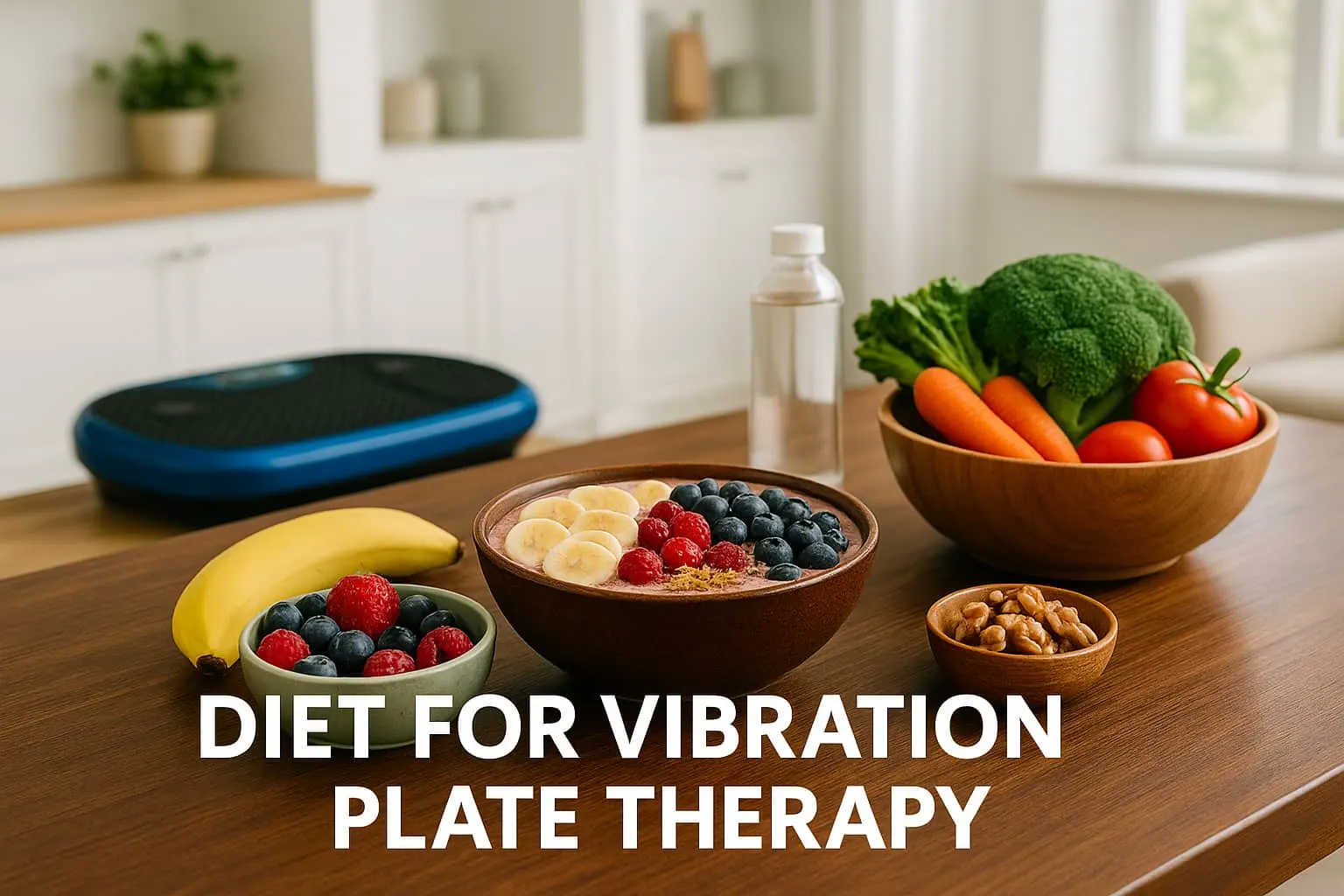
Whole body vibration machines are an effective addition to any wellness routine. When I began using a vibration plate regularly I noticed improved muscle engagement, better circulation, and a boost in energy levels. However, those benefits truly came alive when I matched my sessions with an intentional eating plan.
Throughout the article I will share personal experiences and practical tips to help you build a diet that complements your vibration plate routine.
Why Nutrition Matters When Using a Vibration Plate
Vibration plate therapy stimulates muscles and increases blood flow by sending vibrations through your body. Those vibrations can accelerate energy expenditure, boost circulation, and engage stabilizing muscles. However, without proper nutrition your body will struggle to recover and adapt.
The food you eat fuels muscle repair, regulates hormones, and influences how well your blood vessels deliver oxygen and nutrients. A well balanced diet also supports the lymphatic system, which helps remove waste and reduce swelling. In this section I explain how macronutrients (carbohydrates, proteins, and fats) and micronutrients (vitamins and minerals) work together with vibration plate exercise to support your overall health.
Macronutrients and Energy Balance
- Carbohydrates provide quick energy for your muscles and brain. When using a vibration plate your body still needs carbohydrates to perform exercises and recover. Opt for complex carbohydrates from whole grains, beans, and vegetables. These foods supply slow releasing energy and fiber, helping you stay full and avoid blood sugar spikes.
- Proteins repair and build tissues. Vibration therapy places stress on muscles and connective tissues, so protein is essential for recovery. Include lean proteins like fish, poultry, tofu, beans, and legumes in every meal. These foods support muscle repair without excessive saturated fat.
- Fats support hormone production, nutrient absorption, and joint cushioning. Focus on unsaturated fats from nuts, seeds, olives, avocados, and fish. Limit saturated and trans fats found in fried foods and processed snacks because they can contribute to inflammation.
Balancing these macronutrients helps maintain a steady energy supply during your workouts. Aim for meals that contain complex carbohydrates, lean proteins, and healthy fats to keep your blood sugar stable. Stable blood sugar helps you avoid fatigue and cravings after your vibration sessions.
Micronutrients and Recovery
Micronutrients include vitamins, minerals, and antioxidants that support many processes in the body. When you exercise on a vibration plate your body experiences small stresses that trigger adaptation. Nutrients like vitamin C, vitamin E, and omega‑3 fatty acids act as antioxidants and reduce oxidative stress. Minerals like calcium, magnesium, and potassium support muscle contractions and bone strength. Eating a variety of fruits, vegetables, nuts, seeds, and whole grains ensures that you receive these essential micronutrients.
Hydration is another key part of recovery. Vibration exercise can be dehydrating, especially if you sweat or perform dynamic moves. Water helps transport nutrients, flush waste through your lymphatic system, and maintain blood volume. Drink water throughout the day and enjoy water rich foods such as cucumbers, berries, and citrus fruits.
Diet for Weight Loss With Vibration Plate Therapy
Many people use vibration machines to support weight loss. The gentle vibrations stimulate muscle contractions and may increase calorie burn. A well planned diet will amplify these effects by creating a modest calorie deficit while providing enough nutrients for energy and recovery. In my experience, focusing on quality foods rather than simply cutting calories leads to sustainable results.
If you are seeking a vibration platform specifically for weight loss, our best vibration plate for weight loss guide reviews models with features that enhance calorie burning and comfort during sessions.
Building a Weight Loss Plate
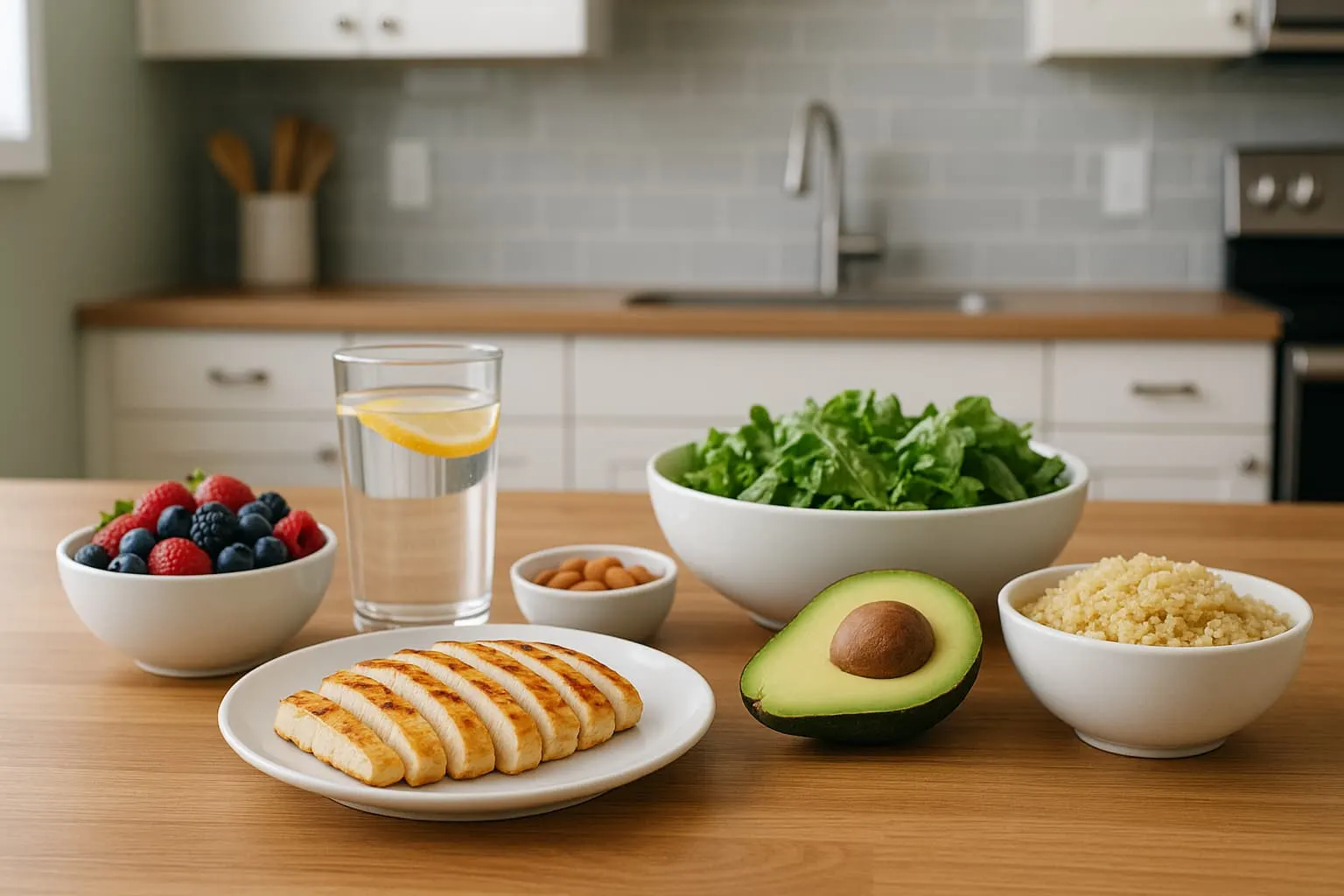
When your goal is weight loss, choose foods that are nutrient dense and satisfying. Lean proteins help preserve muscle mass while supporting satiety. Fiber rich carbohydrates slow digestion, helping you feel full longer. Healthy fats provide flavor and keep hormones balanced. Here is an example of what a balanced weight loss meal might look like:
- Protein: Grilled salmon, baked chicken breast, lentils, or tofu provide high quality protein. These options are rich in amino acids and help repair muscles after vibration sessions.
- Carbohydrates: Quinoa, brown rice, sweet potatoes, and leafy greens supply complex carbohydrates and fiber. Fiber stabilizes blood sugar and aids digestion.
- Healthy fats: Avocado slices, a small handful of nuts, or a drizzle of olive oil add healthy fat and enhance nutrient absorption.
- Non‑starchy vegetables: Fill half your plate with colorful vegetables such as broccoli, peppers, spinach, and zucchini. These vegetables are low in calories and high in vitamins and minerals.
Be mindful of portion sizes too. Using smaller plates or measuring servings can help you avoid overeating. Eat slowly and pay attention to hunger cues. When paired with regular vibration plate sessions, consistent portion control can gradually reduce body fat.
Foods to Emphasize
To support weight loss, emphasize foods that are rich in nutrients and low in added sugars. These foods support satiety and metabolic health. In my own routine, I found that including a variety of vegetables and whole grains kept me energized during workouts. For example, I often prepare brown rice with sautéed vegetables and grilled chicken for lunch. The combination of fiber and protein keeps me satisfied, and I can perform dynamic moves like squats and lunges on the vibration plate without feeling sluggish.
Limiting added sugars, refined carbohydrates, and alcohol helps accelerate fat reduction. Sugary beverages, desserts, and refined breads contribute empty calories and trigger cravings. Swap sugary drinks for water infused with lemon or berries. Choose whole grains like oats or barley instead of white bread. If you enjoy alcohol, limit it to occasional small portions and avoid drinking before vibration sessions as it may impair balance and dehydration.
Meal Timing and Hydration
Timing your meals around your vibration workouts can enhance weight loss. I usually eat a small balanced meal two to three hours before my session to ensure that my body has energy without feeling heavy. After my workout, I have a meal that includes protein and carbohydrates to aid muscle recovery. Staying hydrated before and after each session is essential; dehydration can cause fatigue and reduce exercise performance. Keep a water bottle nearby and sip water during rest periods on the vibration plate.
Diet for Heart Health With Vibration Plate Therapy
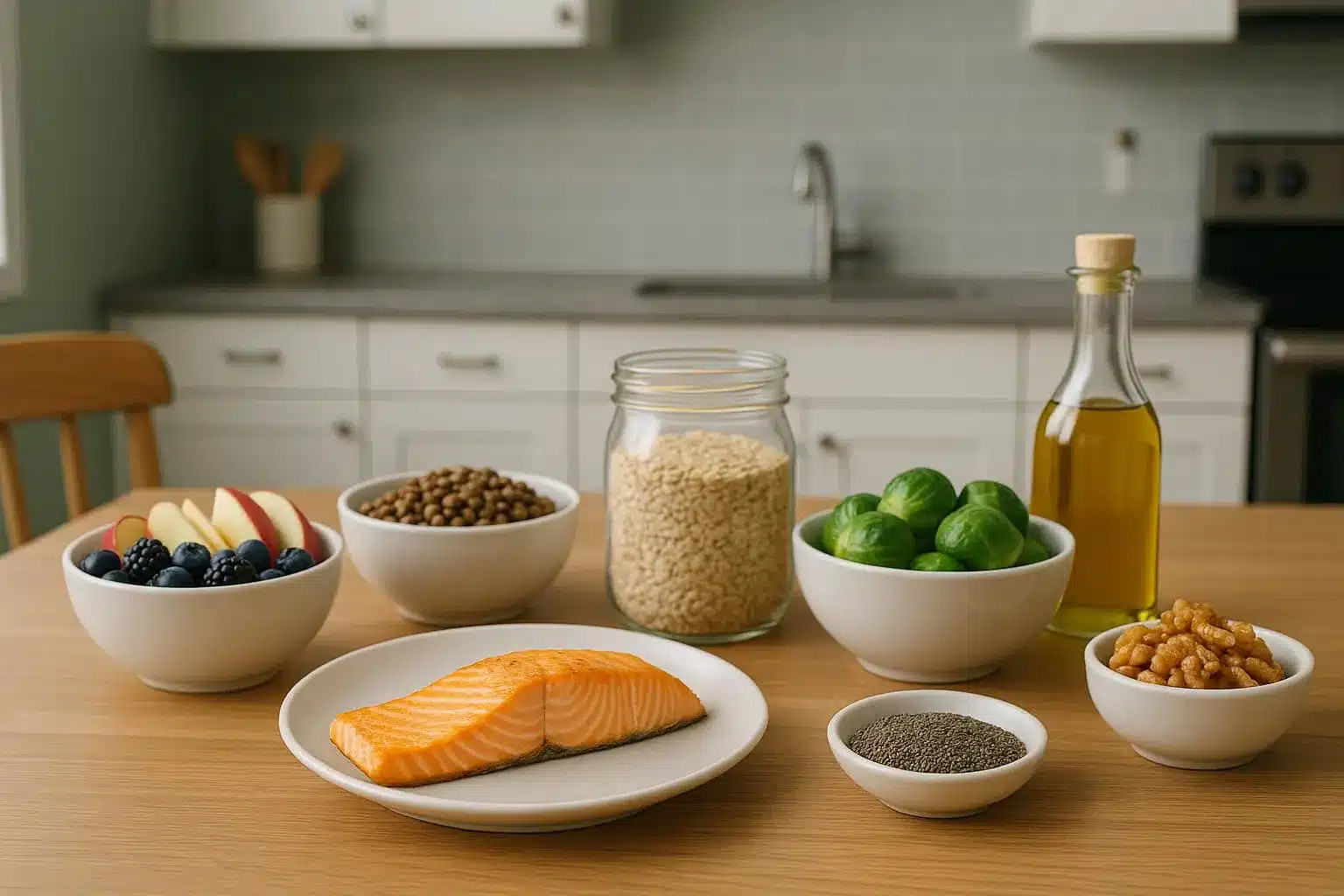
Heart health is a cornerstone of overall wellness. Whole body vibration may support cardiovascular function by improving circulation and reducing blood pressure. A heart friendly diet strengthens this effect by lowering inflammation, optimizing cholesterol levels, and controlling blood pressure. When I started eating with my heart in mind, I noticed more sustained energy and reduced soreness after vibration workouts.
To find a vibration machine that suits cardiovascular goals, our best vibration plate review compares top models based on stability, speed settings, and ease of use.
Heart‑Friendly Eating Patterns
The American Heart Association recommends dietary patterns that emphasize minimally processed vegetables and fruits, whole grains, plant oils, and lean proteins while limiting added sugars, salt, and alcohol. Harvard Health notes that a heart healthy diet features vegetables, fruits, beans, whole grains, and healthy proteins. The following guidelines align with these recommendations:
- Fill half your plate with fruits and vegetables. Leafy greens such as kale and spinach are rich in nitrates, which help relax and widen blood vessels. Brightly colored vegetables like tomatoes, bell peppers, and carrots offer antioxidants that protect your arteries.
- Choose whole grains such as brown rice, quinoa, oats, and whole grain bread instead of refined grains. Whole grains provide fiber that helps maintain healthy cholesterol levels.
- Select healthy proteins like legumes, nuts, seeds, and fish. Legumes lower cholesterol and improve blood pressure. Oily fish like salmon, mackerel, and sardines supply omega‑3 fatty acids that reduce inflammation and cardiovascular risk.
- Use liquid plant oils such as olive oil or canola oil in cooking. These oils contain monounsaturated and polyunsaturated fats that support heart health.
- Limit saturated fats, trans fats, added sugars, and excessive salt. Avoid high fat dairy products, fatty meats, processed meats, tropical oils, and sugary snacks. Cooking at home with fresh ingredients helps control salt intake.
A Mediterranean style eating pattern fits well with vibration plate therapy. This pattern emphasizes vegetables, fruits, whole grains, beans, nuts, olive oil, and fish. In my experience, eating Mediterranean inspired meals like grilled fish with mixed greens and olive oil kept my energy steady and supported my heart during vibration sessions.
Heart Health and Vibration Plate Sessions
Vibration exercise can help lower blood pressure and improve vascular function through gentle stimulation of blood vessels. Coupling this exercise with a heart friendly diet maximizes benefits. For example, after using my vibration plate I sometimes enjoy a salad with leafy greens, tomatoes, chickpeas, and a lemon olive oil dressing.
The nitrates in the greens enhance blood flow, while the protein and healthy fats support recovery. Avoid heavy or high fat meals right before your workout, as they may lead to sluggishness. Instead choose light, nutrient dense foods and wait at least an hour before exercising.
Diet for Improved Circulation With Vibration Plate Therapy
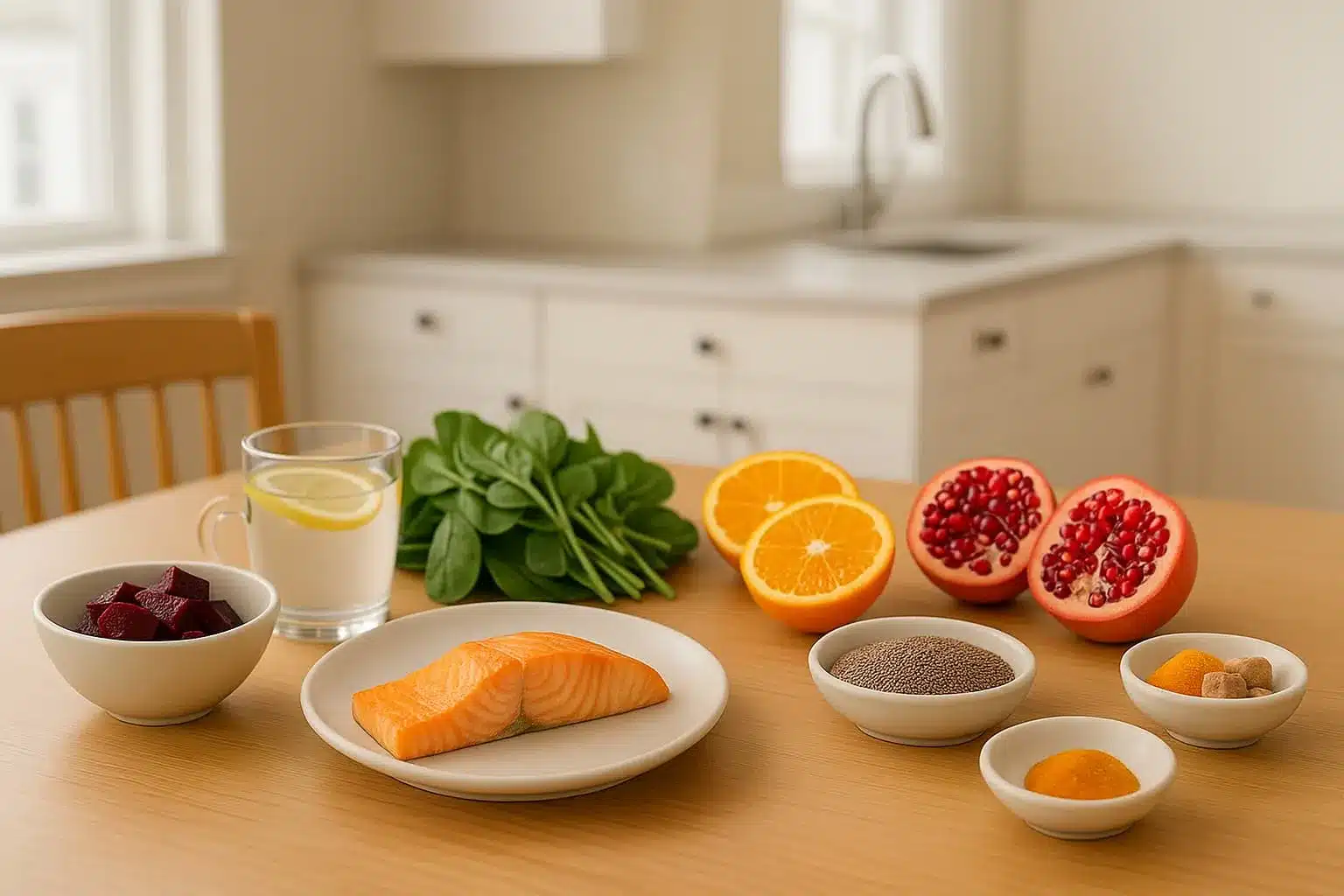
Good circulation delivers oxygen and nutrients to muscles and organs, while removing waste products. Vibration therapy enhances blood flow by stimulating blood vessels and increasing heart rate. Certain foods further support circulation by promoting vasodilation and reducing inflammation. Incorporating these foods into your routine can make your sessions more effective.
For those focused on improving circulation, our best vibration plate for circulation article highlights models that offer gentle oscillation and low speed settings.
Foods That Promote Blood Flow
Several foods contain compounds that improve blood flow and vascular health:
- Beets and leafy greens are rich in nitrates, which your body converts into nitric oxide. Nitric oxide relaxes and widens blood vessels, increasing blood flow.
- Pomegranates contain polyphenols and nitrates that enhance blood flow and oxygenation. Drinking pomegranate juice before workouts can give you a natural performance boost.
- Garlic and onions contain sulfur compounds and flavonoids that help dilate arteries and reduce blood pressure.
- Berries and citrus fruits are loaded with antioxidants that protect blood vessels from oxidative stress.
- Fatty fish like salmon and mackerel provide omega‑3 fatty acids, which release nitric oxide and inhibit blood clots.
- Spices such as cayenne pepper contain capsaicin, which encourages vasodilation and improves circulation. Add a pinch to soups or stews for flavor and circulatory support.
Including these foods in your meals can make a noticeable difference. For example, I often blend beetroot into smoothies with berries and spinach. This combination tastes refreshing and primes my body for vibration workouts by improving blood flow. After training I might have grilled salmon with a citrus salad to provide omega‑3s and antioxidants.
Additional Tips for Circulation
Certain habits support healthy circulation. Stay active throughout the day by taking short walks or stretching between vibration sessions. Avoid sitting for extended periods. If you smoke, seek help to quit; smoking constricts blood vessels. Stay hydrated, as dehydration can thicken your blood and slow circulation. Manage stress through meditation or gentle yoga.
Diet for Lymphatic Drainage and Vibration Plate Therapy
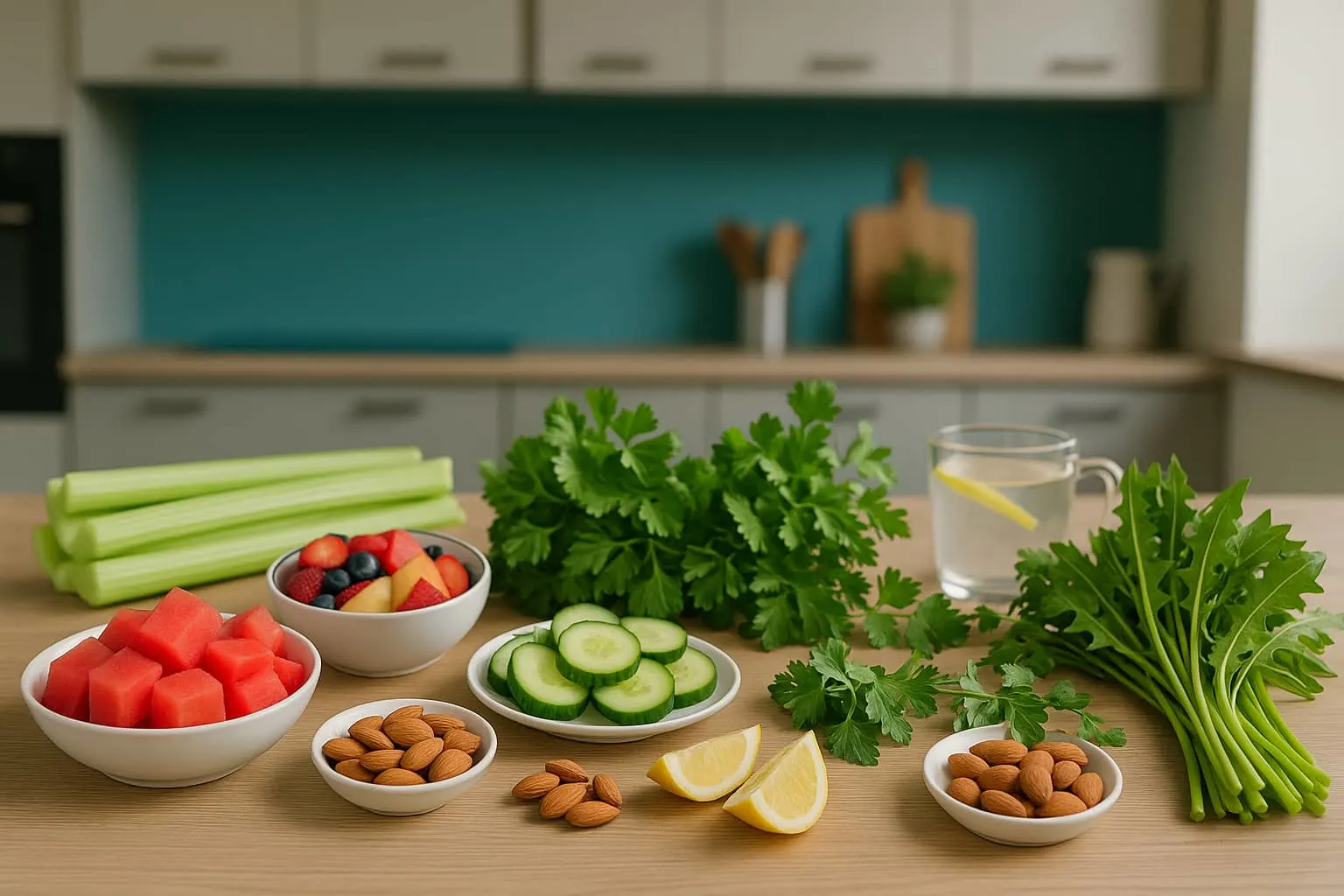
Your lymphatic system helps maintain fluid balance, remove toxins, and support immune function. Vibration plates encourage lymphatic flow by gently massaging muscles and encouraging fluid movement. An anti inflammatory diet and proper hydration can further support this system. Drawing from a patient education handout on nutrition for lymphedema, I will outline dietary practices that promote lymphatic health.
Our best vibration plate for lymphatic drainage guide reviews machines designed to encourage gentle lymphatic movement.
Anti‑Inflammatory Eating for Lymphatic Health
An anti inflammatory diet reduces swelling and encourages the movement of lymphatic fluid. Key principles include:
- Eat whole, unprocessed foods. Choose fresh fruits and vegetables, whole grains like brown rice and oats, and minimize processed foods. Whole foods provide antioxidants and phytochemicals that reduce inflammation.
- Increase your intake of lean proteins such as chicken, fish, eggs, and plant based options like beans and lentils. Lean proteins support tissue repair without adding excess saturated fat.
- Use healthy fats from nuts, seeds, avocado, and olive oil. These fats contain omega‑3 fatty acids that reduce inflammation.
- Limit foods that increase inflammation, including added sugars, refined grains, saturated and trans fats, and ultra processed foods. Avoid sugary drinks, fried foods, and processed snacks.
- Reduce alcohol consumption to protect lymphatic function. If you drink, limit intake to one drink per day for women and two for men.
Following these guidelines can help reduce swelling and improve comfort during and after vibration workouts. Personally, I have noticed that when I cut back on processed foods and include more vegetables and lean proteins, I experience less bloating and faster recovery.
Hydration and Sodium Management
Proper hydration is essential for lymphatic flow. Aim for about 64 ounces (two liters) of fluids daily. Keep water accessible and set reminders to drink throughout the day. Consume water rich foods like soups, broths, and fruits. Limit caffeine and alcohol, which can dehydrate you.
Sodium can lead to fluid retention and swelling. Choose fresh or frozen produce without added sauces and rinse canned items to reduce salt. Season foods with herbs, lemon, or vinegar instead of salt. Reading labels can help you select low sodium products (less than 140 mg per serving). When dining out, ask for dressings and sauces on the side to control sodium intake.
Fat Management for Lymphatic Health
Reducing dietary fat eases the load on the lymphatic system and supports weight management. Focus on unsaturated fats while limiting saturated and trans fats. Incorporate sources of omega‑3s such as salmon, walnuts, flaxseed, and chia seeds. Consider using medium chain triglyceride (MCT) oil, which is quickly absorbed and metabolized, reducing stress on the lymphatic system. Start with small amounts (one tablespoon per day) and gradually increase to avoid digestive discomfort.
Diet for Neuropathy and Vibration Plate Therapy
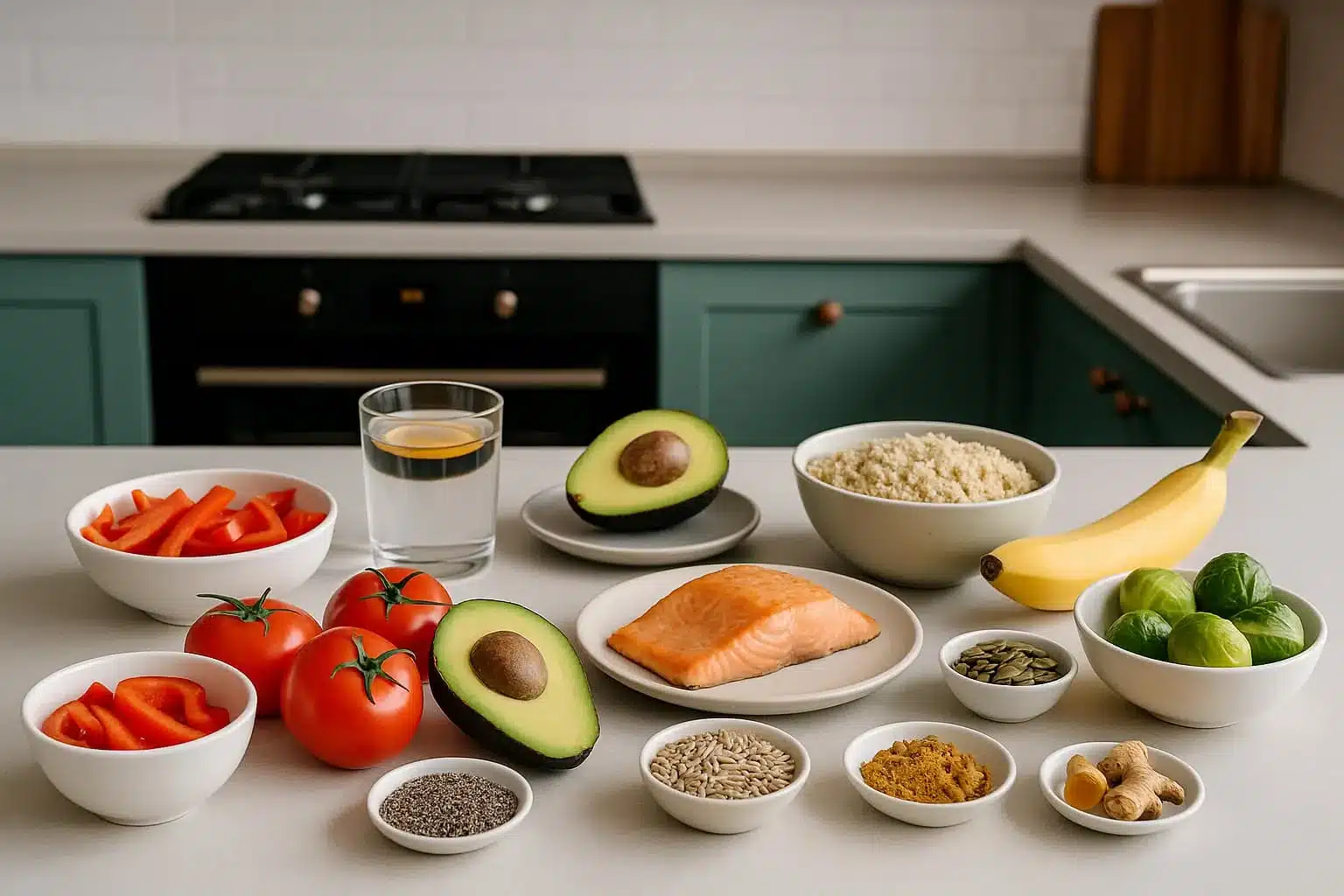
Peripheral neuropathy involves nerve damage that can cause pain, numbness, or tingling in the extremities. Vibration plates may help relieve neuropathic symptoms by stimulating nerves and improving circulation. Nutrition plays a key role in supporting nerve health and managing blood sugar levels. The Foundation for Peripheral Neuropathy recommends a diet rich in vegetables, fruits, whole grains, and lean proteins while limiting alcohol, sodium, saturated fat, and added sugars.
Our best vibration plate for neuropathy article reviews machines that offer gentle settings and stable platforms to accommodate sensitive feet and legs.
Nourishing Your Nervous System
- Eat a variety of fruits and vegetables. Aim for five to ten servings of colorful fruits and vegetables each day. These foods provide vitamins, antioxidants, and phytonutrients that support nerve function and reduce inflammation.
- Choose whole grains and legumes. Whole grains like oats, quinoa, and brown rice supply B vitamins that support nerve health. Legumes provide fiber and protein without raising blood sugar too quickly.
- Include omega‑3 rich foods. Fatty fish (salmon, mackerel), flaxseeds, chia seeds, and walnuts provide omega‑3 fatty acids that reduce inflammation and support nerve cell membranes.
- Limit alcohol and sodium. Alcohol can damage nerve tissue and worsen neuropathy. High sodium intake contributes to hypertension, which can impair circulation.
- Watch saturated and trans fats. Replace fatty meats and full fat dairy with lean proteins and healthy fats. Choose nuts, seeds, and vegetable oils for healthy fats.
- Control blood sugar. Elevated blood sugar contributes to diabetic neuropathy. Spread carbohydrate intake throughout the day and choose high fiber carbohydrates. Combine carbohydrates with protein or fat to slow absorption.
Supplements and Safety
Some supplements, such as alpha lipoic acid and acetyl L carnitine, may support nerve health. However, always consult with a healthcare professional before starting any supplement regimen. They can help you determine appropriate dosages and avoid interactions with medications.
Diet for Osteoporosis and Bone Density With Vibration Plate Therapy
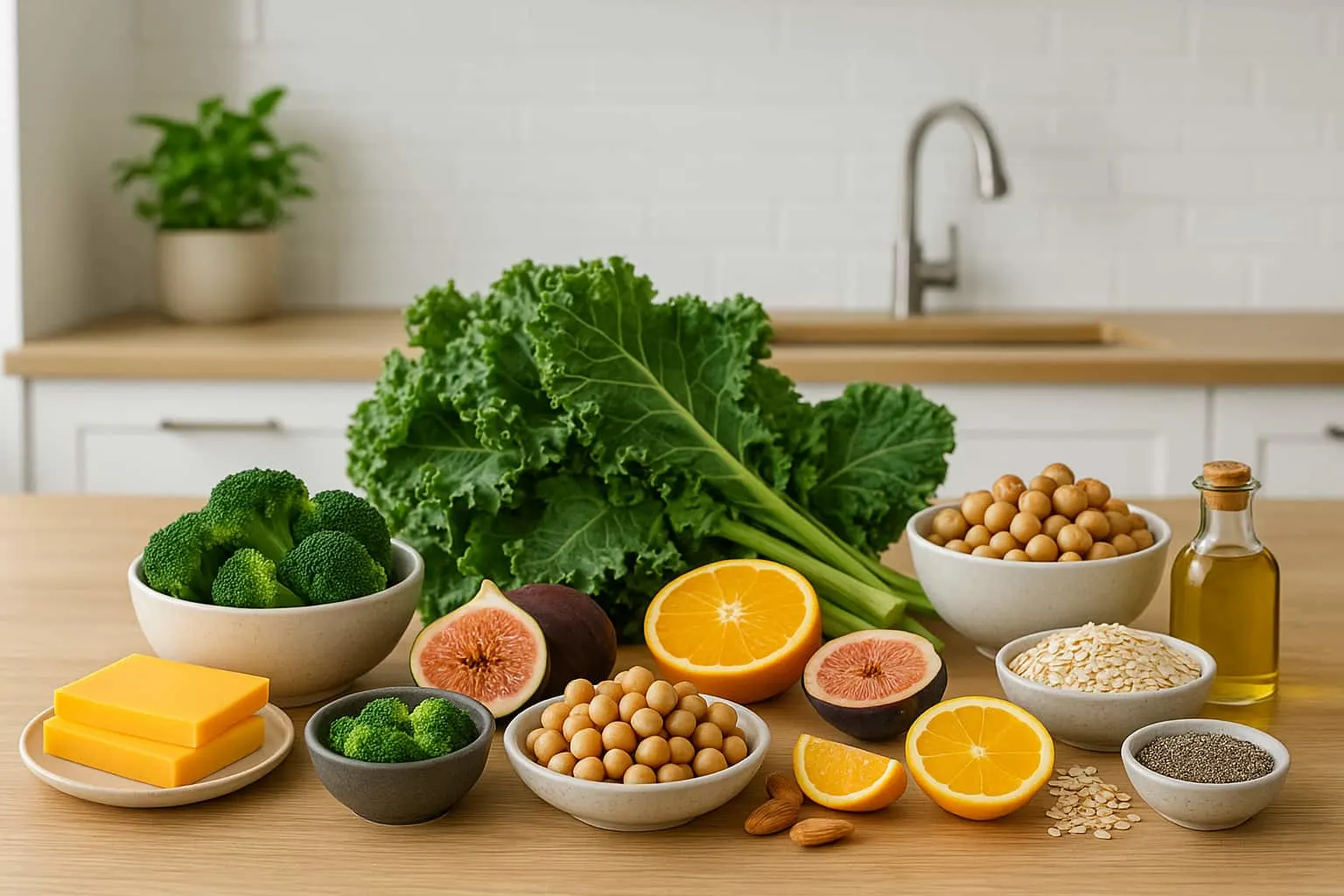
Vibration plates are known for their potential to improve bone density by providing low impact mechanical loading. Nutrition is equally important for strong bones. A diet rich in calcium, vitamin D, magnesium, potassium, vitamin K, and other nutrients supports bone formation and maintenance. Incorporating foods that support bone health can enhance the bone building effects of vibration therapy.
Our best vibration plate for osteoporosis reviews discuss machines that offer low-impact loading suitable for people working to improve bone density. Features like variable speeds and wide platforms provide stability and comfort during bone strengthening exercises.
Bone Building Nutrients and Foods
The Bone Health and Osteoporosis Foundation highlights foods that are good for bones:
- Dairy products like low fat or non fat milk, yogurt, and cheese are excellent sources of calcium. Some dairy products are fortified with vitamin D. If you avoid dairy, consider fortified plant milks or orange juice.
- Fish with bones such as canned sardines and salmon provide calcium. Fatty fish like salmon, mackerel, and tuna also supply vitamin D.
- Leafy greens including collard greens, turnip greens, kale, and broccoli offer calcium. Dark green vegetables like kale and collard greens also contain vitamin K, which is necessary for bone matrix formation.
- Foods rich in magnesium include spinach, beet greens, okra, potatoes, and artichokes. Magnesium aids in converting vitamin D to its active form and plays a role in bone mineralization.
- Potassium rich foods such as tomatoes, prunes, raisins, and bananas help neutralize metabolic acids that can leach calcium from bones.
- Vitamin C sources like red peppers, citrus fruits, strawberries, and broccoli promote collagen formation and bone strength.
- Fortified foods including certain juices, cereals, and plant milks provide additional calcium and vitamin D.
Foods and Habits to Limit
While many foods support bone health, others may hinder it. The Bone Health and Osteoporosis Foundation advises limiting:
- Salty foods because high sodium intake increases calcium loss. Limit processed foods, canned soups, and restaurant meals.
- High protein diets that include excessive amounts of meat may cause calcium loss. Balance your protein intake with plenty of fruits and vegetables.
- Caffeine and soft drinks because they can interfere with calcium absorption. Enjoy coffee and tea in moderation and choose water or herbal tea instead of soda.
- Alcohol as heavy drinking can lead to bone loss. Limit your consumption and avoid alcohol before vibration sessions.
Combining Diet and Vibration Therapy for Strong Bones
To maximize bone building, pair your vibration sessions with nutrient rich meals. For example, after using the vibration plate you might enjoy a spinach salad with canned salmon (including the bones), sliced oranges, walnuts, and a dressing made with olive oil and lemon juice. This meal provides calcium, vitamin D, vitamin K, magnesium, and healthy fats all in one dish.
Regular weight-bearing exercises on the vibration plate, combined with this diet, can gradually increase bone density. Remember to expose your skin to sunlight for natural vitamin D synthesis or consult your healthcare provider about supplements if you live in areas with limited sun.
Diet for Lymphedema With Vibration Plate Therapy
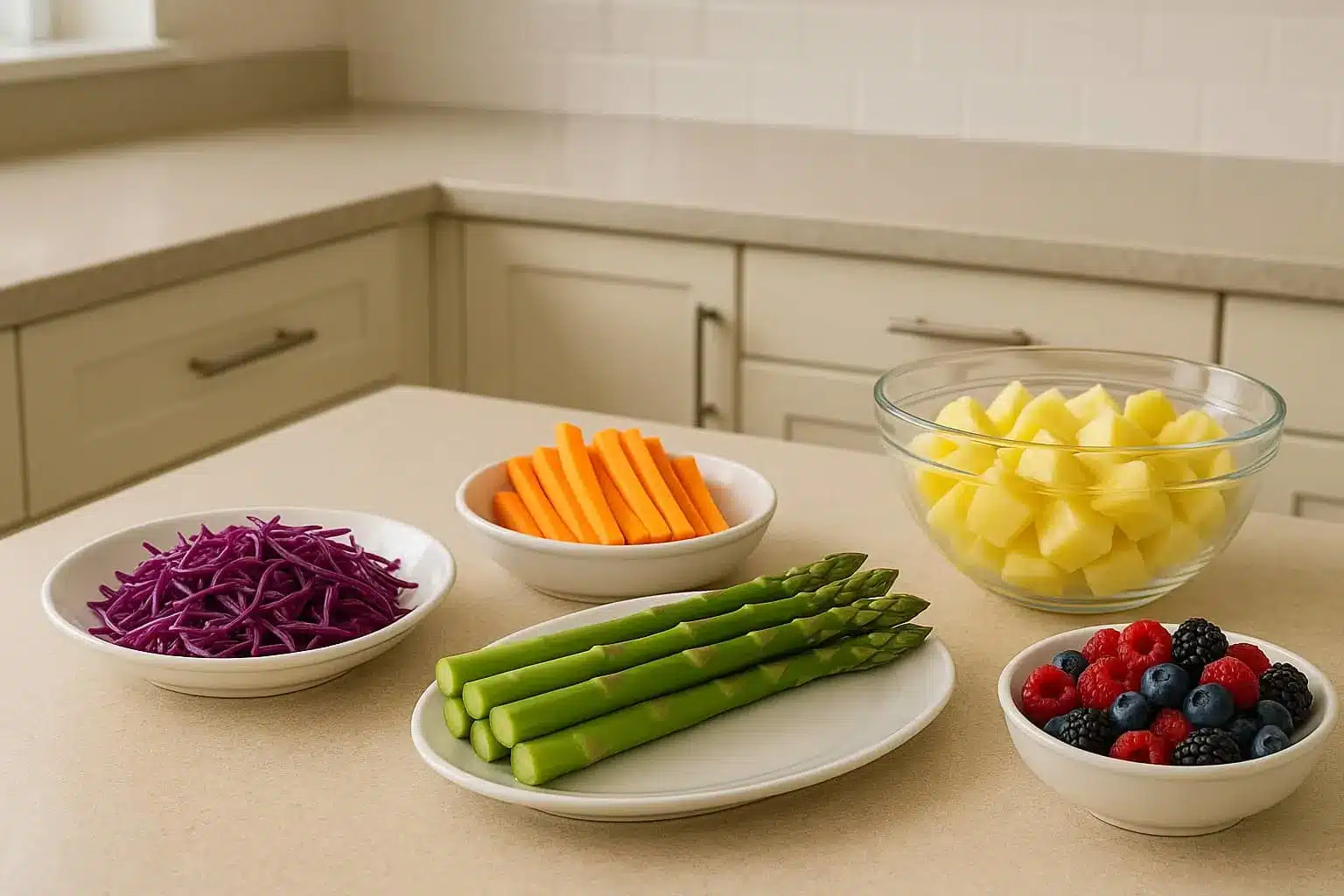
Lymphedema occurs when lymphatic fluid builds up, causing swelling, often in the arms or legs. Vibration plates can promote lymph movement and reduce swelling. Diet plays a major role in managing this condition. The same nutrition principles for lymphatic drainage apply here, but there are additional considerations.
Our best vibration plate for lymphedema article reviews models with gentle oscillation modes that are comfortable for managing swelling. These machines can be paired with the dietary strategies above for better results.
Managing Weight and Inflammation
Maintaining a healthy weight eases pressure on the lymphatic system. Adopting an anti inflammatory diet helps reduce swelling. Focus on whole foods, lean proteins, and healthy fats while limiting processed foods and sugar. Work with a healthcare provider to determine your target weight and caloric intake. Gradual weight loss through diet and exercise can improve mobility and reduce symptoms.
Protein Intake
Protein supports tissue repair and immune function. Aim for a moderate intake of high quality protein sources such as fish, chicken, beans, nuts, and seeds. Avoid large amounts of red or processed meats, which can contribute to inflammation.
Fruits, Vegetables, and Whole Grains
Aim for five to six servings of fruits and vegetables each day. These foods provide antioxidants and fiber. Choose whole grains like brown rice, quinoa, and oats instead of refined grains to support digestion and provide sustained energy.
Hydration and Sodium Reduction
As with lymphatic drainage, drink plenty of fluids and limit sodium. Proper hydration keeps lymph fluid moving. Use herbs and spices for flavor instead of salt. If you consume canned or packaged foods, rinse them thoroughly to remove excess sodium.
Medium Chain Triglyceride Oil
Consider incorporating small amounts of MCT oil as part of your fat intake. MCT oil is metabolized quickly and may help reduce inflammation and support lymphatic function. Start with one teaspoon and gradually increase to avoid digestive upset.
Hydration and Meal Timing With Vibration Plate Therapy
Hydration and meal timing are important for any exercise, including vibration plate sessions. Drinking adequate water supports every organ system, including your lymphatic and circulatory systems. Aim to drink water consistently throughout the day, not just around workouts. If you engage in intense sessions or live in a hot climate, you may need additional fluids. Listen to your thirst and monitor your urine color; light yellow indicates good hydration.
Eating at regular intervals keeps your energy stable and prevents overeating. I recommend having three balanced meals and one or two snacks each day. Before a vibration workout, eat a small meal or snack that includes complex carbohydrates and protein, such as a banana with almond butter or a bowl of oatmeal with blueberries. After training, refuel with a meal that contains protein and carbohydrates to help muscle recovery and replenish glycogen stores. Avoid heavy meals just before exercising as they can cause discomfort and fatigue.
My Personal Experience With Diet and Vibration Plate Therapy
When I started using a vibration plate I thought the machine alone would provide results. While I experienced some improvements, the real progress came when I paid more attention to what I ate, as well.
Personally, I also noticed that drinking more water and eating anti-inflammatory foods like berries, leafy greens, and fatty fish reduced soreness after workouts. Adding omega‑3 rich foods such as salmon and walnuts improved my joint comfort. On days when I skipped meals or relied on processed snacks, my sessions felt harder and my recovery was slower. This contrast reinforced the importance of aligning nutrition with vibration therapy.
The pre-session window matters more than most guides acknowledge. Eating a large meal within 60 minutes of a session shifts blood toward digestion at a time when the plate is trying to direct circulation toward the muscles and lymphatic system. A light snack (fruit, a small handful of nuts, or a protein source) 30-90 minutes before works better. After a session, the body is in an elevated metabolic state for 30-60 minutes; this is when protein consumed supports muscle recovery most efficiently.
Hydration is the nutritional variable with the strongest direct effect on lymphatic performance. The lymphatic system moves fluid using water as its primary medium. Sessions aimed at lymphatic drainage and circulation become noticeably less effective when the user is mildly dehydrated. A practical rule: drink 400-500ml of water in the 90 minutes before a session, not immediately before, and follow the session with another 250ml within 30 minutes.
Choosing the Right Foods for Your Goals
Every individual has unique goals and dietary preferences. To choose the right foods for your needs:
- Identify your primary goal. Are you focusing on weight loss, improved circulation, bone density, neuropathy relief, heart health, or lymphedema management? Your diet should reflect this priority.
- Consult with a healthcare provider or registered dietitian before making significant dietary changes, especially if you have underlying health conditions. They can help tailor your diet to your needs and ensure you receive adequate nutrients.
- Listen to your body. Pay attention to how different foods make you feel before and after vibration sessions. Adjust your meals based on energy, digestion, and recovery.
- Choose quality ingredients. Opt for fresh, minimally processed foods whenever possible. Cooking at home allows you to control ingredients and portion sizes.
- Plan your meals. Meal planning ensures you always have healthy options available. Prepare snacks like cut vegetables, nuts, and yogurt to avoid grabbing convenience foods when you’re hungry.
Final Thoughts: Partnering Diet With Vibration Plate Therapy
An effective diet amplifies the benefits of vibration plate therapy. By focusing on nutrient dense foods, you can support weight loss, heart health, circulation, lymphatic drainage, neuropathy management, bone density, and lymphedema relief.
Eat balanced meals with complex carbohydrates, lean proteins, and healthy fats; emphasize fruits and vegetables; stay hydrated; and limit processed foods, excess sodium, added sugars, and alcohol. Adjust your diet to your unique goals and consult professionals when needed.
If you are ready to take your vibration plate routine to the next level, explore our best vibration plate for home use recommendations. These machines provide stability, quiet operation, and user friendly features that make it easier to incorporate regular sessions into your life. Pairing the right machine with a supportive diet will help you achieve sustainable results.
FAQs
What should I eat before using a vibration plate?
To choose a pre-workout meal for vibration plate sessions, select a small snack or meal that includes complex carbohydrates and lean protein. For example, a banana with a tablespoon of almond butter or a bowl of oatmeal with berries provides fuel without weighing you down. Eat this meal one to two hours before your session to give your body time to digest.
Can a vibration plate help me lose weight without changing my diet?
No, you cannot rely solely on a vibration plate to lose weight without changing your diet. While vibration plates increase muscle activity and burn calories, a balanced diet is essential for creating a calorie deficit and providing nutrients for recovery. Combining healthy eating with regular vibration sessions yields the best results.
Which foods help with circulation while using a vibration plate?
Foods that help with circulation while using a vibration plate include beets, leafy greens, pomegranates, garlic, onions, berries, citrus fruits, and fatty fish. These foods contain nitrates, antioxidants, and omega‑3 fatty acids that relax blood vessels and improve blood flow.
Is it safe to use a vibration plate if I have neuropathy?
Yes, you can use a vibration plate safely if you have neuropathy, but consult with a healthcare provider first. Start with gentle settings and short sessions to see how your nerves respond. Pair vibration therapy with a diet rich in fruits, vegetables, whole grains, lean proteins, and omega‑3 fatty acids to support nerve health.
Are there dietary restrictions for older adults using vibration plates?
Older adults using vibration plates should focus on nutrient dense foods that support bone density, muscle maintenance, and circulation. Include calcium rich foods, vitamin D sources, lean proteins, whole grains, and plenty of fruits and vegetables. Limit sodium, saturated fats, and added sugars. If you have medical conditions or take medications, consult with a healthcare professional to tailor your diet.